
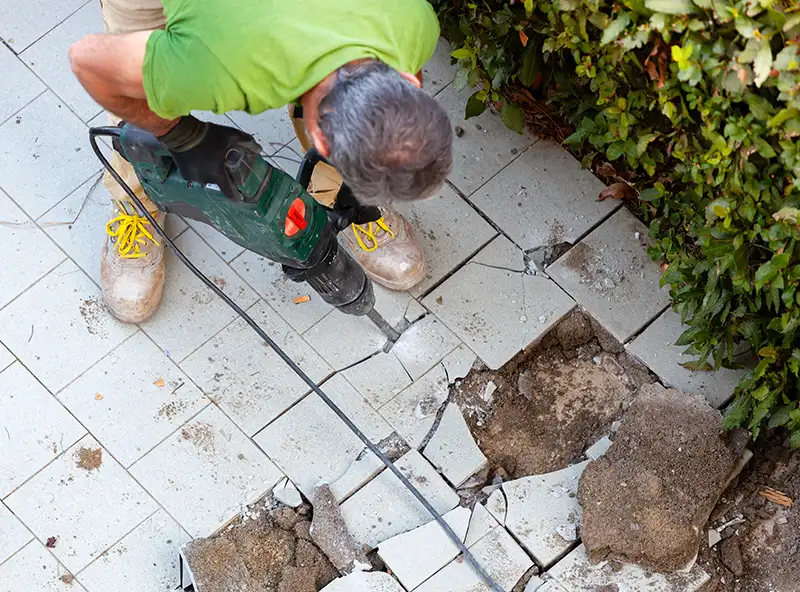
A concrete patio is a major investment in your home’s outdoor living space, and sealing it is the single most effective way to protect that investment. Without a quality sealer, your patio is exposed to moisture, stains, UV rays, and freeze-thaw cycles that slowly break down the surface.
The short answer is that most concrete patios should be sealed every two to three years, but the right schedule depends on your climate, sealer type, and how much traffic your patio gets. This guide walks you through exactly how to time your sealing so your patio stays beautiful and durable for decades.
The General Rule: Every Two to Three Years
For most homeowners, resealing a concrete patio every two to three years provides reliable, long-lasting protection. This timeframe keeps the surface shielded without wasting money on unnecessary applications.
- Standard acrylic sealers typically last one to three years before wearing thin
- Penetrating sealers can protect for three to five years or longer
- High-traffic patios may need attention closer to the two-year mark
- Shaded, lightly used patios can often stretch toward three years
Sticking to this baseline schedule prevents small problems from turning into expensive repairs. Think of sealing as routine maintenance, like changing the oil in your car.
Consider Your Climate and Weather Exposure
Where you live plays a huge role in how often your patio needs sealing. Harsh weather conditions break down sealer faster, so your location should guide your schedule.
- Cold climates with freeze-thaw cycles may require sealing every one to two years
- Hot, sunny regions cause UV degradation that shortens sealer life
- Humid or rainy areas increase moisture penetration and mold risk
- Mild climates often allow the full three-year interval or more
If your patio faces tough weather year-round, err on the side of sealing more frequently. A little extra protection costs far less than repairing cracks and surface damage later.
Watch for Signs Your Patio Needs Resealing
Your patio will tell you when it’s ready for a fresh coat of sealer if you know what to look for. Performing a simple inspection once a year helps you catch wear before damage sets in.
- Water soaks into the surface instead of beading up on top
- The color looks faded, dull, or chalky compared to when it was new
- Small cracks, pitting, or flaking are starting to appear
- Stains from leaves, grease, or spills are harder to wash away
- The surface feels rougher or more porous than before
The water test is the easiest check: sprinkle a few drops on the concrete and watch what happens. If the water absorbs quickly rather than beading, it’s time to reseal.
Choose the Right Sealer for Your Schedule
Not all sealers perform the same way, and your choice directly affects how often you’ll need to reapply. Picking the right product for your patio saves time and money over the long run.
- Acrylic sealers are affordable and enhance color but wear out faster
- Penetrating sealers soak into the concrete and offer longer-lasting protection
- Epoxy and polyurethane sealers create a tough film but can be slippery when wet
- Water-based formulas are low-odor and eco-friendly, while solvent-based options tend to last longer
Matching the sealer to your patio’s exposure and your maintenance preferences makes scheduling much easier. When in doubt, a professional can recommend the best option for your specific conditions.
Seal at the Right Time for the Best Results
Timing your application correctly is just as important as how often you seal. Weather conditions on application day determine how well the sealer bonds and cures.
- Apply sealer when temperatures are between 50 and 90 degrees Fahrenheit
- Choose a dry day with no rain in the forecast for at least 24 hours
- Clean the patio thoroughly and let it dry completely before sealing
- Avoid sealing in direct, intense midday sun, which can cause bubbling
Sealing under the right conditions ensures maximum penetration and a smooth, even finish. A well-timed application can add months of extra life to each coat.
Protect Your Patio Now and Enjoy It for Decades
Sealing your concrete patio every two to three years is a small habit that delivers enormous rewards. A properly sealed patio resists stains, cracking, fading, and moisture damage, keeping your outdoor space looking fresh season after season.
Don’t wait until you see cracks or discoloration to take action. Put your patio on a regular sealing schedule today, and you’ll enjoy a beautiful, long-lasting outdoor living space for decades to come.