
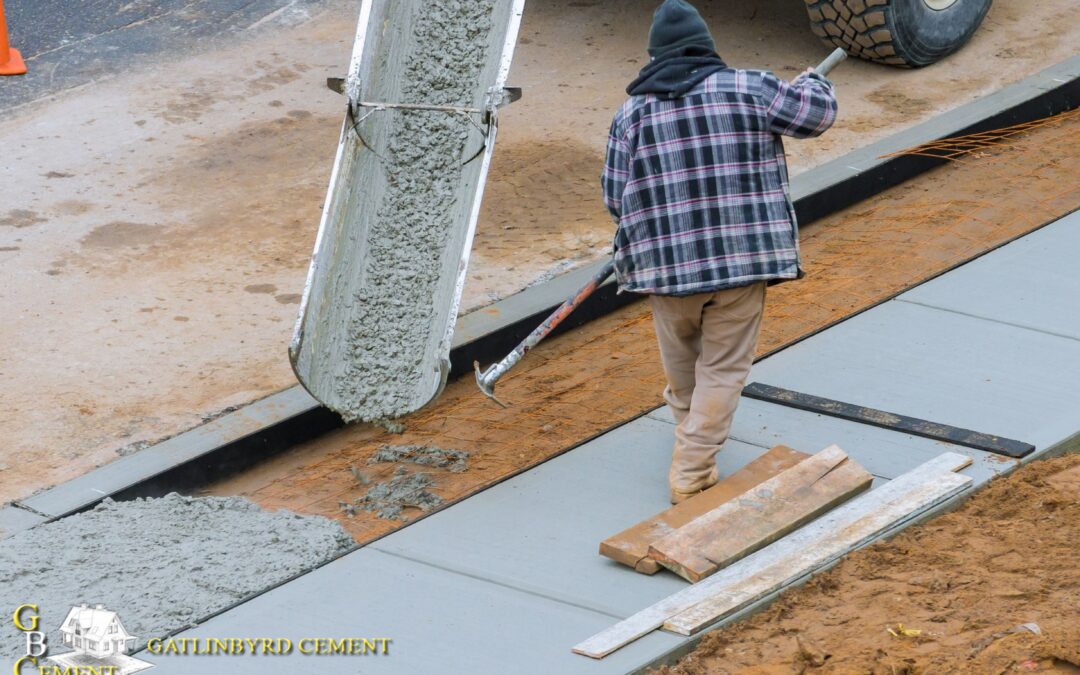
Stamped Concrete or Pavers: Which Fits Michigan Yards?
Stamped concrete wins when you want a monolithic look with fewer weeds; pavers win when you value modular repair—both still need drained bases for Michigan winters. GB Cement (GatlinByrd Cement) serves Southeast Michigan from 8786 Tamarack Ln, Ypsilanti, MI 48197. Call (734) 323-8882 when you want a site-specific answer instead of a generic brochure.
Related guidance lives on our stamped concrete pages. Nearby service context includes Belleville and concrete patios. Homeowners comparing options in Troy often start with driveways before locking a scope.
In SE Michigan, freeze-thaw and road salt punish weak edges, thin patches, and undrained stone. We check slope, joints, and whether water sits after thaw before we recommend a method. Official background reading can start at MSU Extension.
Hardscape choice under freeze-thaw and salt
Either system fails on mushy bases. Salt and plow edges punish weak edge details on both stamped slabs and paver fields.
Stamped concrete vs pavers
Surface unity. Stamped is monolithic—no weeds in joints if sealed and maintained.
Movement. Pavers can be lifted and relaid after settlement; stamped needs cut-out repairs.
Salt exposure. Cheap paver base and weak stamped mix both fail.
Look and cost. Stamped mimics stone at varied price points; natural pavers vary widely.
How we help you choose
Match use: driveway traffic vs patio entertaining vs pool deck splash. Review drainage and shade that affect algae and sealer life. Price life-cycle maintenance, not only day-one install.
Bid comparison tips
Ask for mix design or paver brand and base thickness in writing. Confirm edge restraint for pavers. Confirm release, color, and sealer for stamped work. Clarify who owns winter salt damage exclusions.
Local notes for stamped concrete vs pavers in SE Michigan
We regularly discuss stamped concrete vs pavers with owners in Belleville, Farmington Hills, and Troy. Clay soils, older gravel bases, and steep driveway grades change how long a repair lasts. HOA rules and city ROW permits also affect sidewalk and apron scopes.
If your property sits closer to Milan, bring photos of ponding, joint spalls, and any prior patch history. That context shortens the estimate visit and reduces surprise change orders later.
What to do next
Decide whether stamped concrete vs pavers needs maintenance, targeted repair, or replacement. Document cracking, ponding, and settlement with dated photos. Then schedule a walkthrough with GB Cement (GatlinByrd Cement) so recommendations match Michigan freeze-thaw reality—not a one-size national template.
Reach us at (734) 323-8882 or visit 8786 Tamarack Ln, Ypsilanti, MI 48197. We will tell you plainly when a cheap patch is fine—and when it would waste money.
Extra SE Michigan context
Owners asking about stamped concrete vs pavers often underestimate how clay soils and plow routes change outcomes. GB Cement (GatlinByrd Cement) builds recommendations from site conditions around 8786 Tamarack Ln, Ypsilanti, MI 48197, not from national averages alone. Bring notes about prior repairs, salt use, and ponding when you call (734) 323-8882.
Documenting conditions across one full freeze-thaw season gives the clearest picture of movement versus cosmetic wear. That record helps prioritize spend and avoids paying twice for the wrong method.
Planning details owners often skip for stamped concrete vs pavers
Write down vehicle weights, plow habits, and where meltwater currently goes. Those notes change thickness, joint layout, and whether an apron needs a thickened edge. For stamped concrete vs pavers, that detail is especially easy to overlook until freeze-thaw exposes it.
Photograph the slab after rain and after a thaw. Standing water maps failures better than a dry sunny walkthrough. Owners comparing bids on stamped concrete vs pavers should ask how each crew handles this specifically at their address.
Unique note for this page (stamped-concrete-vs-pavers): prioritize the failure mode most visible on your photos—ponding, edge fretting, joint pumping, or coating peel—before choosing cosmetics. GB Cement (GatlinByrd Cement) will map that symptom to a method suited to Southeast Michigan winters rather than a generic national checklist.
Materials and methods in plain language for stamped concrete vs pavers
Air-entrained exterior mixes help resist scaling from freeze-thaw and road salt, but they still need a drained base and timely saw cuts. For stamped concrete vs pavers, that detail is especially easy to overlook until freeze-thaw exposes it.
Finish choices affect traction when wet. A broom finish may beat a glassy look near doors and garage aprons. Owners comparing bids on stamped concrete vs pavers should ask how each crew handles this specifically at their address.
Unique note for this page (stamped-concrete-vs-pavers): prioritize the failure mode most visible on your photos—ponding, edge fretting, joint pumping, or coating peel—before choosing cosmetics. GB Cement (GatlinByrd Cement) will map that symptom to a method suited to Southeast Michigan winters rather than a generic national checklist.
Permits, HOAs, and neighbors for stamped concrete vs pavers
City right-of-way sidewalks and driveway aprons can require permits and inspections. Build that into the schedule before demo day. For stamped concrete vs pavers, that detail is especially easy to overlook until freeze-thaw exposes it.
Talk with neighbors about temporary parking and truck access. Good logistics prevent rushed pours and soft-base mistakes. Owners comparing bids on stamped concrete vs pavers should ask how each crew handles this specifically at their address.
Unique note for this page (stamped-concrete-vs-pavers): prioritize the failure mode most visible on your photos—ponding, edge fretting, joint pumping, or coating peel—before choosing cosmetics. GB Cement (GatlinByrd Cement) will map that symptom to a method suited to Southeast Michigan winters rather than a generic national checklist.
Aftercare that protects the investment for stamped concrete vs pavers
Follow the reopen timeline even if the surface feels hard. Early vehicle loads create edge breaks that look like ‘bad concrete’ later. For stamped concrete vs pavers, that detail is especially easy to overlook until freeze-thaw exposes it.
Use concrete-aware deicers sparingly. Mechanical removal of snow reduces brine soak that drives scaling. Owners comparing bids on stamped concrete vs pavers should ask how each crew handles this specifically at their address.
Unique note for this page (stamped-concrete-vs-pavers): prioritize the failure mode most visible on your photos—ponding, edge fretting, joint pumping, or coating peel—before choosing cosmetics. GB Cement (GatlinByrd Cement) will map that symptom to a method suited to Southeast Michigan winters rather than a generic national checklist.
Understanding Stamped Concrete and Its Installation Process
Stamped concrete is a decorative method used in outdoor flooring and patio surfaces to replicate the appearance of materials like brick, slate, stone, or tile on concrete surfaces. It is also a cheaper option compared to pavers.
This technique involves these steps:
Base Preparation
It is necessary to properly prepare the area in which stamped concrete will be formed.
This includes removing any debris from the area, grading the surface to allow for proper drainage, and compacting the soil.
Pouring Concrete
After the base is ready, the space is covered with concrete. This can be accomplished by using ready-mix concrete that is supplied by truck or by mixing the concrete on the spot. To create a uniform surface, the concrete should be poured equally.
Applying the Color
The next step is applying color hardeners or integral colors to the surface of the freshly poured concrete to achieve the desired color.
Color hardeners are typically broadcasted onto the surface and then worked into the concrete using a float or trowel. In contrast, integral colors are mixed into the concrete before pouring.
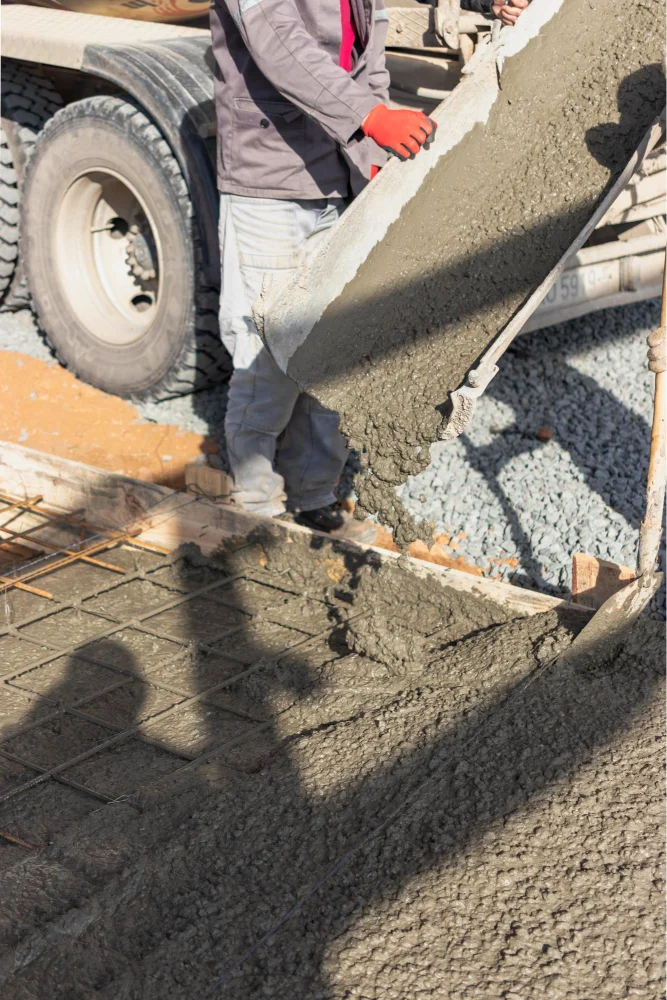
Stamping Process
Then, stamps or molds are pressed into the concrete while it is still soft to create the desired patterns and textures. These stamps can replicate the appearance of materials like brick, slate, stone, or tile. Stamping should be done carefully and evenly to ensure uniformity across the surface.
Curing
After stamping, the concrete needs time to cure and harden. Curing may involve keeping the surface moist and covered with a curing compound or plastic sheeting to prevent premature drying and cracking. The duration of curing can vary depending on factors such as weather conditions and the type of concrete used.
Sealing process
When the concrete has cured, a sealer will be applied to the surface to ensure its durability and protect it from stains, UV exposure, and weathering. The type of sealer used may depend on factors such as the desired finish (e.g., glossy or matte) and the level of protection required.
Exploring Pavers and Installation Process
Pavers are important elements in landscaping and construction for making outdoor surfaces like walkways, patios, and driveways. They come in different materials and shapes like concrete, clay, brick, natural stone, or rubber, and in various shapes, sizes, and colors. These materials help create attractive outdoor areas, suitable for both foot and vehicles. They give flexibility in design, allowing for unique patterns and arrangements to enhance the look of outdoor spaces. Now let’s dive into the process of pavers installation:
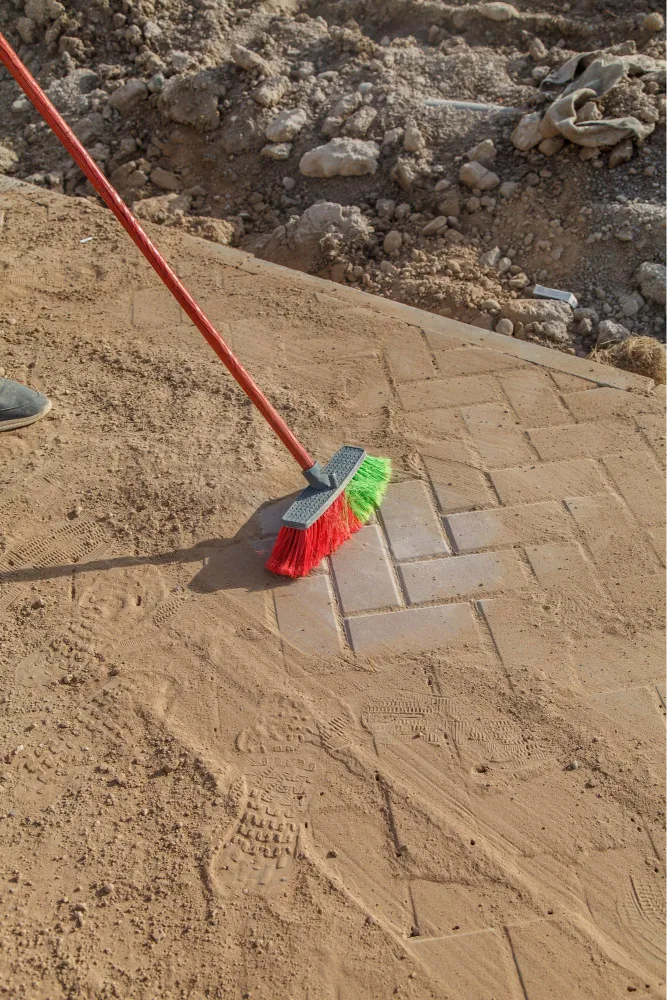
Preparing the Site
All existing materials, plants, and rubbish must be removed from the area where the pavers will be laid. To guarantee a stable base.
Installing the Base
The prepared area will be covered with an even layer of crushed stone or gravel that has been spread and compacted. For the pavers, this base layer offers support, stability, and drainage.
Edge Restraints
Edge restraints, such as plastic or metal edging, will be installed along the perimeter of the area to keep the pavers in place and minimize shifting over time.
Sand Bedding
After that, a layer of bedding sand will be spread over the compacted base. The sand is screeded to create a level surface for laying the pavers.
Paver Installation
The next step is carefully laying the pavers in the desired pattern or design on top of the sand bedding. They should be typically placed one by one, starting from one corner and working towards the opposite end. Pavers may need to be cut to fit around edges or obstacles.
Compaction
When all the pavers are in place, the entire surface will be compacted using a plate compactor or a vibrating compactor. This helps to lock the pavers in position and creates a solid, even surface.
Applying Joint Sand
Finally, joint sand will be applied into the gaps between the pavers to fill any remaining spaces and stabilize the surface. Excess sand will then be swept away, and the surface will be compacted once more to ensure the sand settles properly.
Which One Lasts Longer? Stamped Concrete or Pavers
Both stamped concrete and pavers have the potential to endure for a significant period of time when maintained appropriately. Their durability is heavily influenced by factors such as weather, usage patterns, and upkeep routines. Both of these options require regular maintenance to prolong their lifespan, but stamped concrete is often preferred for its relatively simpler maintenance process compared to pavers. With routine cleaning and occasional resealing, stamped concrete can maintain its looks and structural integrity over the years, making it a practical choice for many homeowners.
Stamped Concrete VS Pavers: Pros and Cons
When comparing stamped concrete and pavers for outdoor flooring and patio surfaces, you need to consider several factors. We are here to guide you through their pros and cons; let’s begin.
Stamped Concrete Pros:
- Cost-effective initial installation compared to pavers: Stamped concrete cost typically requires less upfront investment compared to pavers, making it a more budget-friendly option.
- Versatile design options with various patterns and colors: Stamped concrete offers a wide range of design possibilities compared to pavers allowing you to achieve the desired aesthetic for your outdoor flooring.
- Low maintenance requirements once sealed: Stamped concrete requires very little maintenance after it has been sealed, only occasional cleaning is needed to sustain its aesthetic.
- Can mimic the appearance of natural materials like brick, slate, or stone: Stamped concrete offers an appealing substitute by replicating the appearance of natural materials at a fraction of the cost.
- Increase the value of your house: A nice stamped concrete patio surface can add up to 15% to your home’s value.
Stamped Concrete Cons:
- Risk of Cracking: Stamped concrete is more prone to cracking over time, especially in areas with freeze-thaw cycles or heavy usage, whereas pavers are known for their exceptional durability and are less likely to crack.
- Limited Repair Options: Repairing cracks or damages in stamped concrete is more challenging compared to pavers.
- Skilled Professionals Required for Installation: Achieving high-quality stamped concrete requires skilled professionals for its installation to ensure proper pattern alignment and consistency. In contrast, while pavers may also require professional installation, the process is generally less complex and labor-intensive compared to stamped concrete installation.
Pavers Pros:
- Durability: Pavers are renowned for their exceptional strength and durability, making them suitable for high-traffic areas such as driveways, walkways, and patios. They can withstand heavy foot traffic, vehicular traffic, and harsh weather conditions without cracking or deteriorating easily.
- Easy Repair Options: If a paver becomes damaged or cracked, it can be easily replaced without affecting the rest of the surface. This makes repairs simple compared to stamped concrete, where repairing cracks or damages can be challenging and may result in noticeable patches.
- Temperature Resilience: Pavers are less prone to temperature-related issues such as expansion and contraction, which can lead to cracking in stamped concrete. This resilience makes pavers particularly suitable for regions with extreme temperature variations.
Pavers Cons:
- Higher Cost: Pavers typically come with a higher upfront cost compared to stamped concrete. This is due to the cost of materials, as well as the labor-intensive installation process required for pavers.
- Maintenance Requirements: While pavers are durable outdoor flooring, they may require periodic maintenance to prevent weed growth between joints and ensure proper alignment. This maintenance can include more challenging tasks such as re-sanding joints, applying sealant, and replacing damaged pavers.
- Change Shape Overtime: Because of plenty of reasons, like weather, erosion, and ground movement, pavers may shift or settle over time. They may become uneven or face a little form shift.
Now that you’re aware of the advantages and disadvantages of both stamped concrete and pavers, you can choose the option that best suits your needs.
GATLINBYRD CEMENT Is the Solution to Your Concrete Problems
GatlinByrd Cement is a licensed company that has been offering a wide range of concrete services, including concrete stamping in Ypsilanti, Michigan, for several years, since 2007. As you know, concrete stamping needs to be done by professionals for the best results.
So if you need a reliable and professional concrete contractor in Michigan, don’t hesitate to call us; we will be there to help. Contact us now!
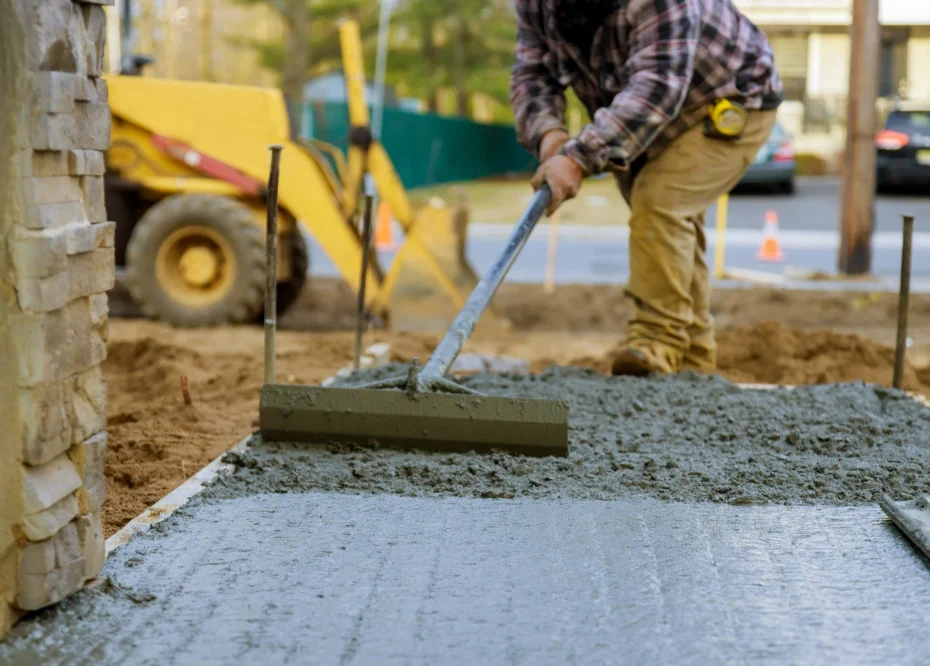
Have Questions? Contact Us Now!
Frequently Asked Questions
What are the differences between stamped concrete and pavers?
Stamped concrete replicates the appearance of materials like brick, slate, or stone on concrete surfaces, while pavers are individual units made of various materials like concrete, clay, brick, or natural stone.
Which option is more budget-friendly, stamped concrete, or pavers?
Stamped concrete typically requires less upfront investment compared to pavers, making it a more cost-effective option for initial installation.
How can I choose between stamped concrete and pavers for my patio resurfacing project?
Consider factors such as budget, design preferences, durability requirements, and maintenance considerations when choosing between stamped concrete and pavers for your outdoor space.
Do I need professional installation for stamped concrete?
Yes, professional installation is essential for stamped concrete to ensure precise alignment, consistent patterns, and durability. Skilled professionals prepare the base, apply color, create patterns, and seal the surface for optimal results and long-term satisfaction.